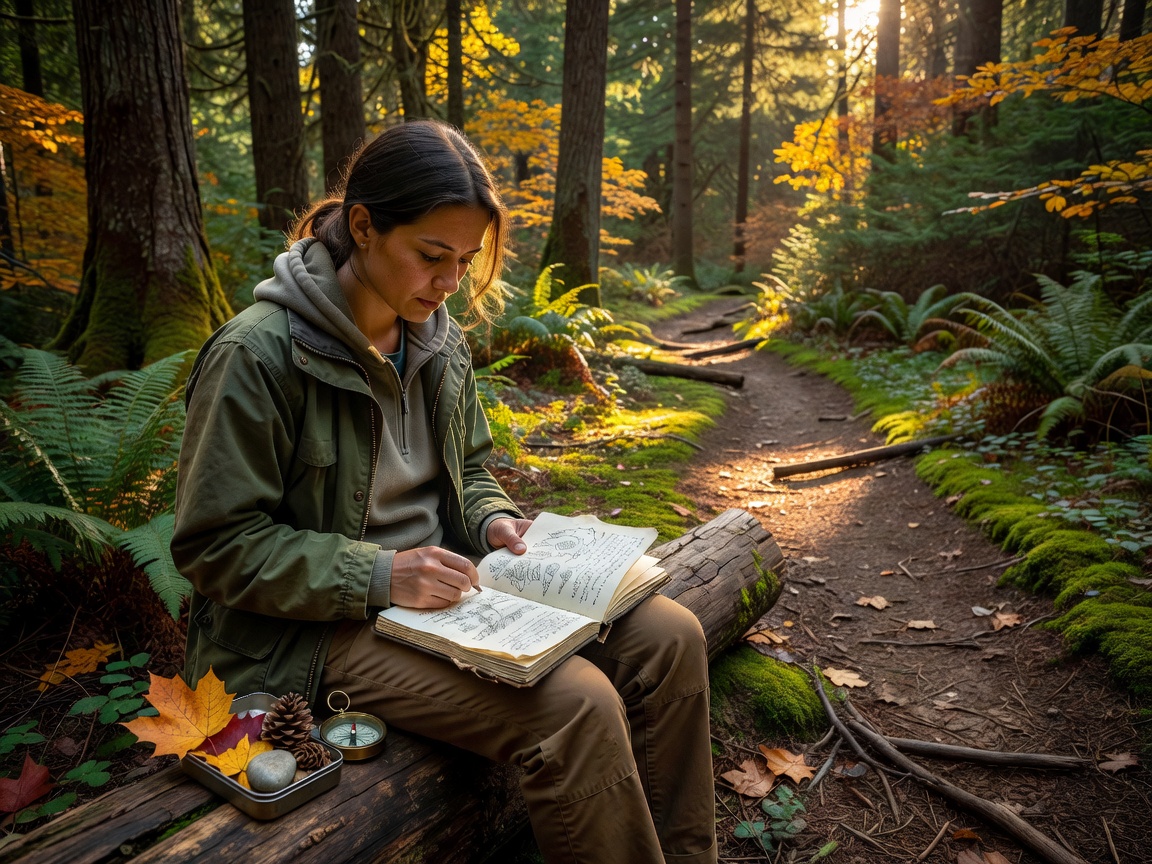
01 Preparation
Preparing Before Heading Outside
The foundation of any outdoor activity lies in basic preparation. Understanding what you are carrying and organizing your essentials can make the difference between a comfortable learning experience and an overwhelming one.
- Check conditions: Always review general weather forecasts before leaving. Understand that weather can shift quickly in nature.
- Organize equipment: Keep your pack structured. Place heavier items near your back and frequently needed items (like water or maps) in accessible pockets.
- Plan timing: Leave early enough to return well before dusk. Know when to adjust your plans if conditions change.
Practical Note: Pack your bag the night before to avoid rushing and forgetting essential items.
03 Camp Organization
Organizing a Campsite
A well-organized campsite is efficient and minimizes impact on nature. Beginners often pack too much; focus on reducing unnecessary clutter.
- Orderly areas: Keep cooking, sleeping, and gear storage areas distinct.
- Clutter reduction: Put items away immediately after use. An organized camp prevents gear from blowing away or getting lost.
- Responsible habits: Check the ground before setting up a tent to avoid damaging delicate vegetation. Ensure your site is entirely clear before you depart.
Practical Note: Use small organizational bags to group items by function (e.g., hygiene, repair, snacks).
04 Trail Awareness
Sharing the Path & Trail Etiquette
The outdoors are shared spaces. Respecting other trail users and the environment ensures everyone has a positive experience.
- Keeping paths clear: When stopping for a break, step fully off the trail so others can pass safely without trampling edges.
- Uphill priority: Generally, yield to those traveling uphill, as they have momentum.
- Leave it tidy: Never drop wrappers or organic waste (like fruit peels), which take a long time to decompose.
- Follow posted guidance: Read signage at trailheads for specific local rules.
Practical Note: A friendly greeting to fellow trail users builds community and safety.
05 Outdoor Cooking & Responsible Habits
Clean Outdoor Kitchens
Cooking outdoors requires careful organization to prevent attracting wildlife and maintaining sanitation.
- Simple cooking area: Set up your kitchen on a flat, durable surface away from flammable materials.
- Clean preparation: Keep raw ingredients separate and clean your utensils immediately after eating.
- Managing waste: Carry all trash out in a sealed bag. Do not attempt to burn plastic or foil in campfires.
Practical Note: Always cook and store food at least 200 feet away from your sleeping area.